Tencel Fabrics
Soft, fluid fabrics with a refined natural look for dresses, shirts, womenswear coordinates, and lightweight spring and summer collections.
A showcase for premium apparel fabrics and swatches
Focused on apparel fabric displays, swatches, specifications, and fabric know-how, helping fashion brands, design teams, and buyers find the right material solution faster.
Soft, fluid fabrics with a refined natural look for dresses, shirts, womenswear coordinates, and lightweight spring and summer collections.
Base fabrics for embroidery, printing, foil applications, and other secondary processes, with practical attention to surface character and process compatibility.
Core and upgraded cotton fabrics for shirts, childrenswear, loungewear, casualwear, and everyday apparel development.
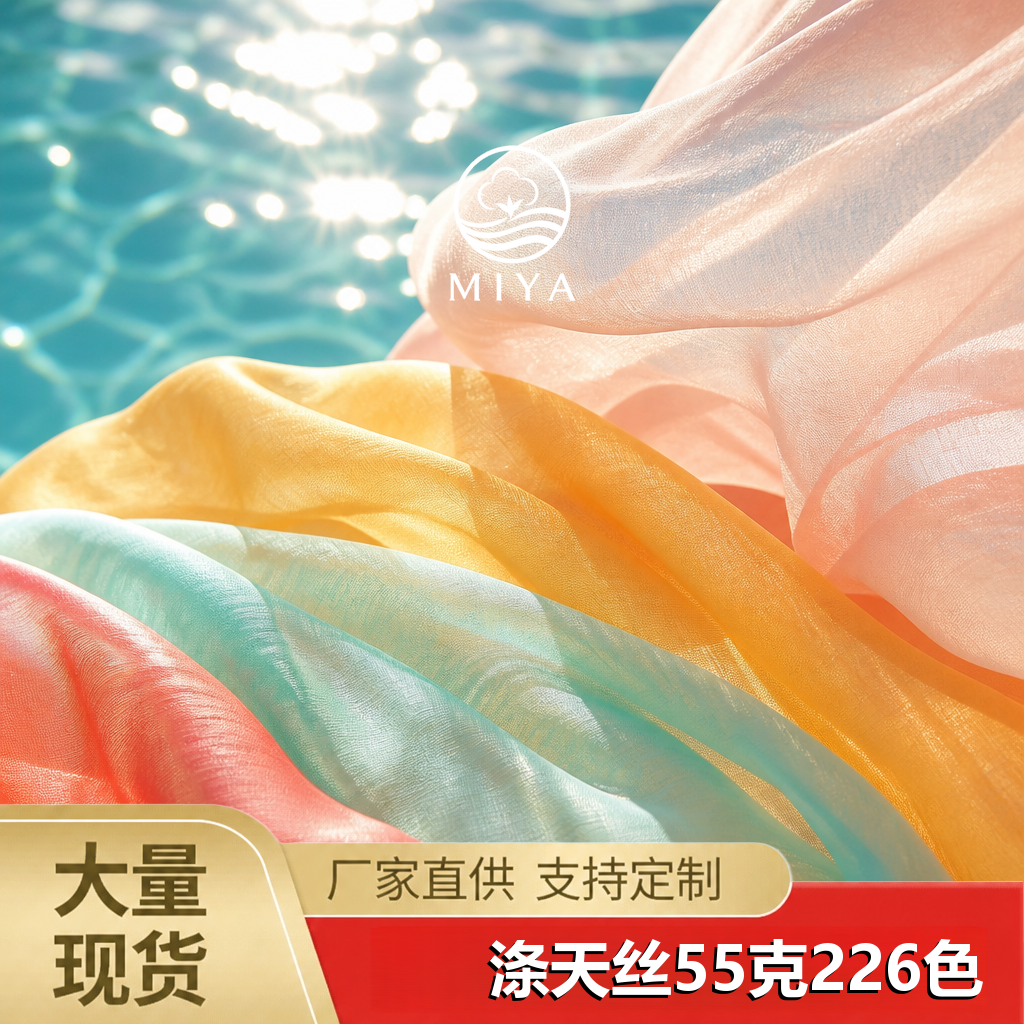
Polyester Tencel Curved-Yarn Fabric, code 801#, composition 90%Tencel, 10%polyester, width 150cm, weight 55g.
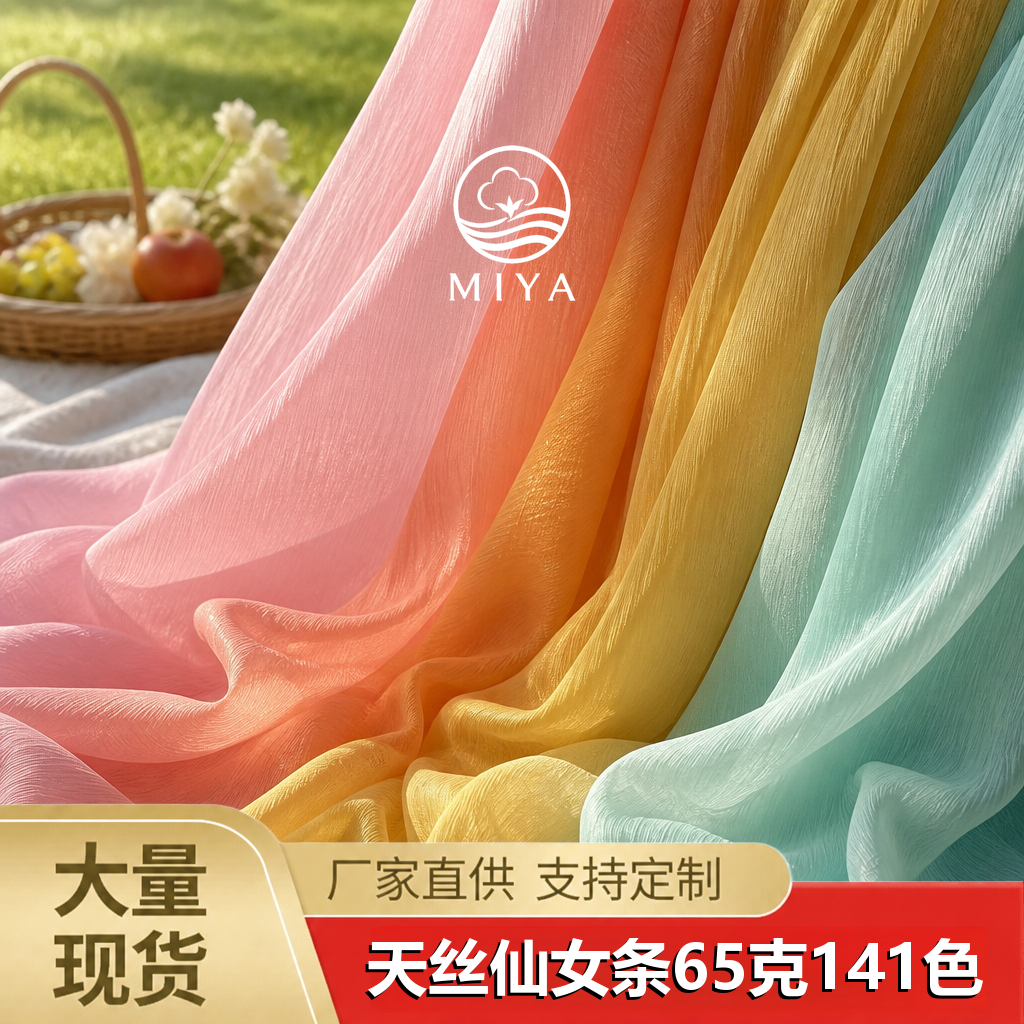
Tencel Fine-Stripe Fabric, code 802#, composition 75%Tencel, 25%nylon, width 150cm, weight 65g.
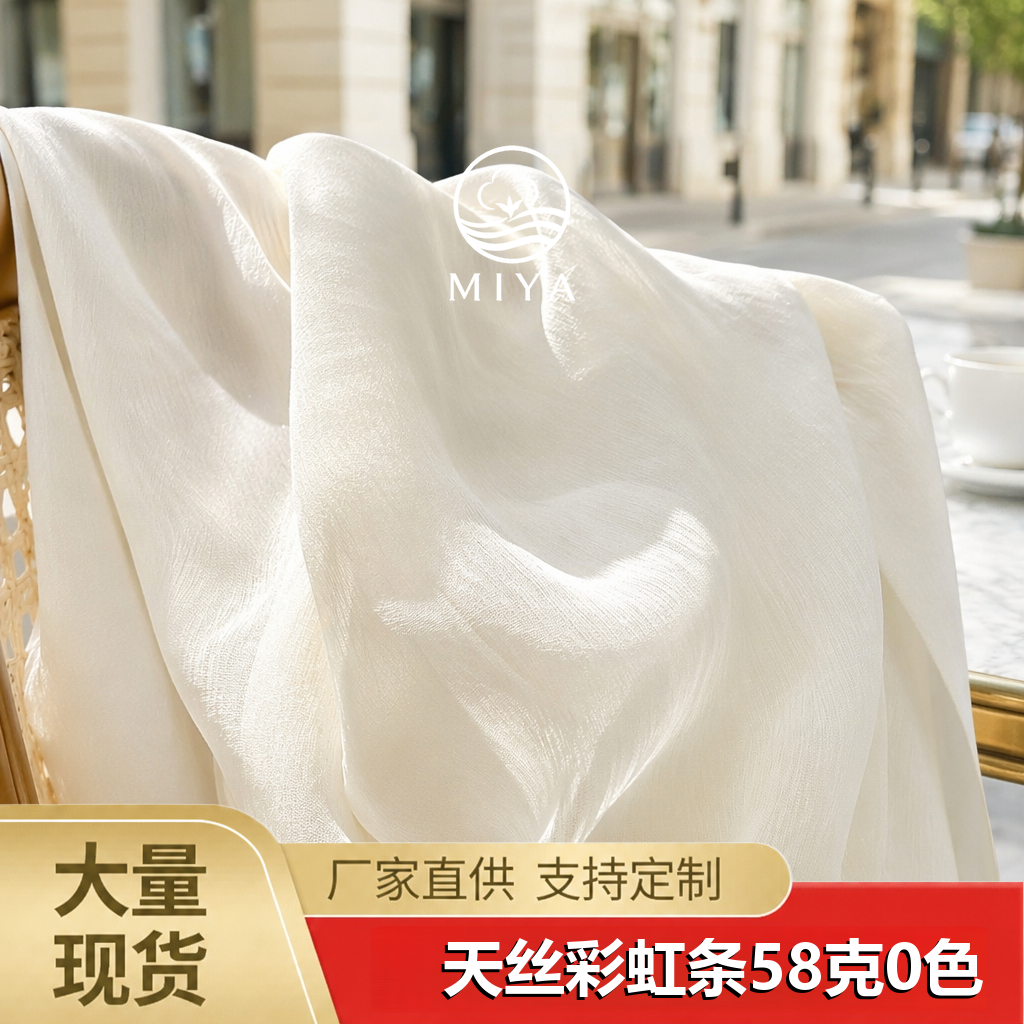
Tencel Rainbow Stripe Crinkle, code 803#, composition 80%Tencel, 20%polyester, width 150cm, weight 58g.
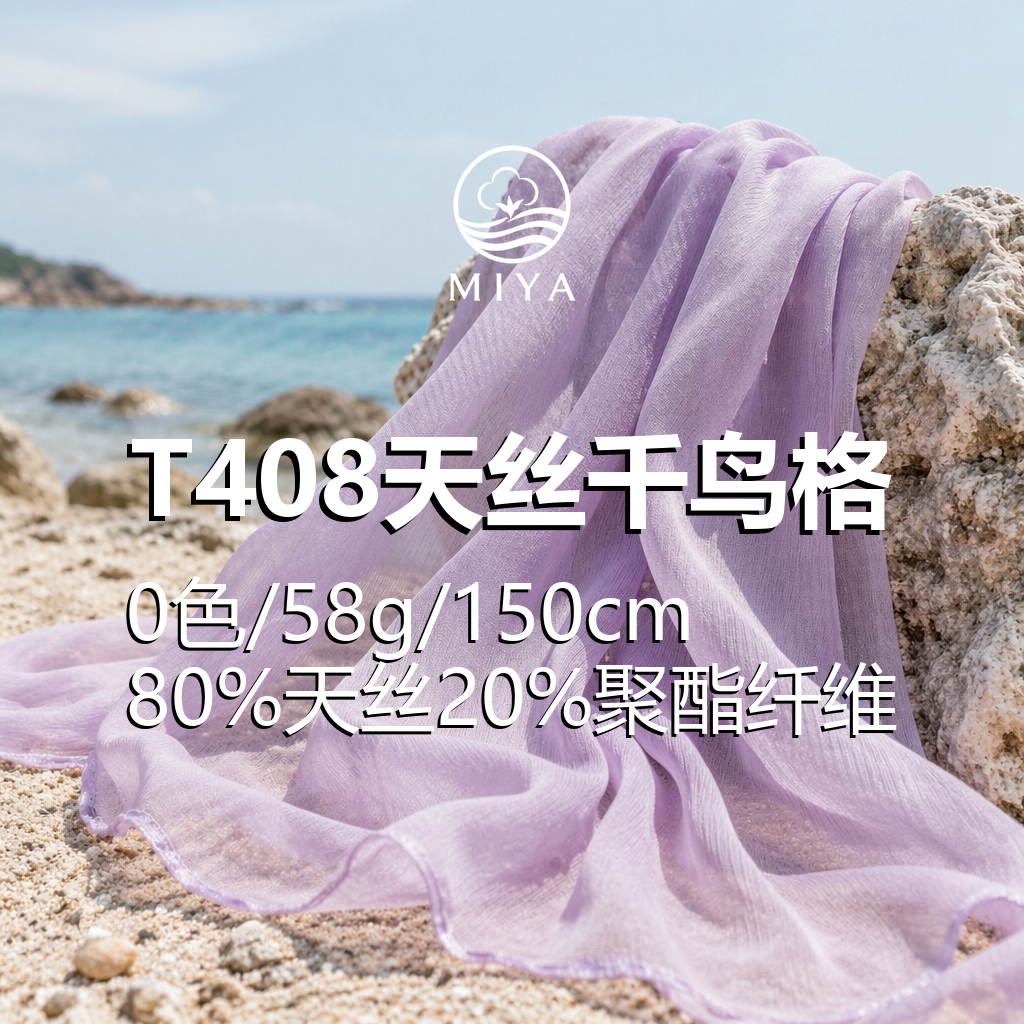
Tencel Houndstooth, code 804#, composition 80%Tencel, 20%polyester, width 150cm, weight 58g.
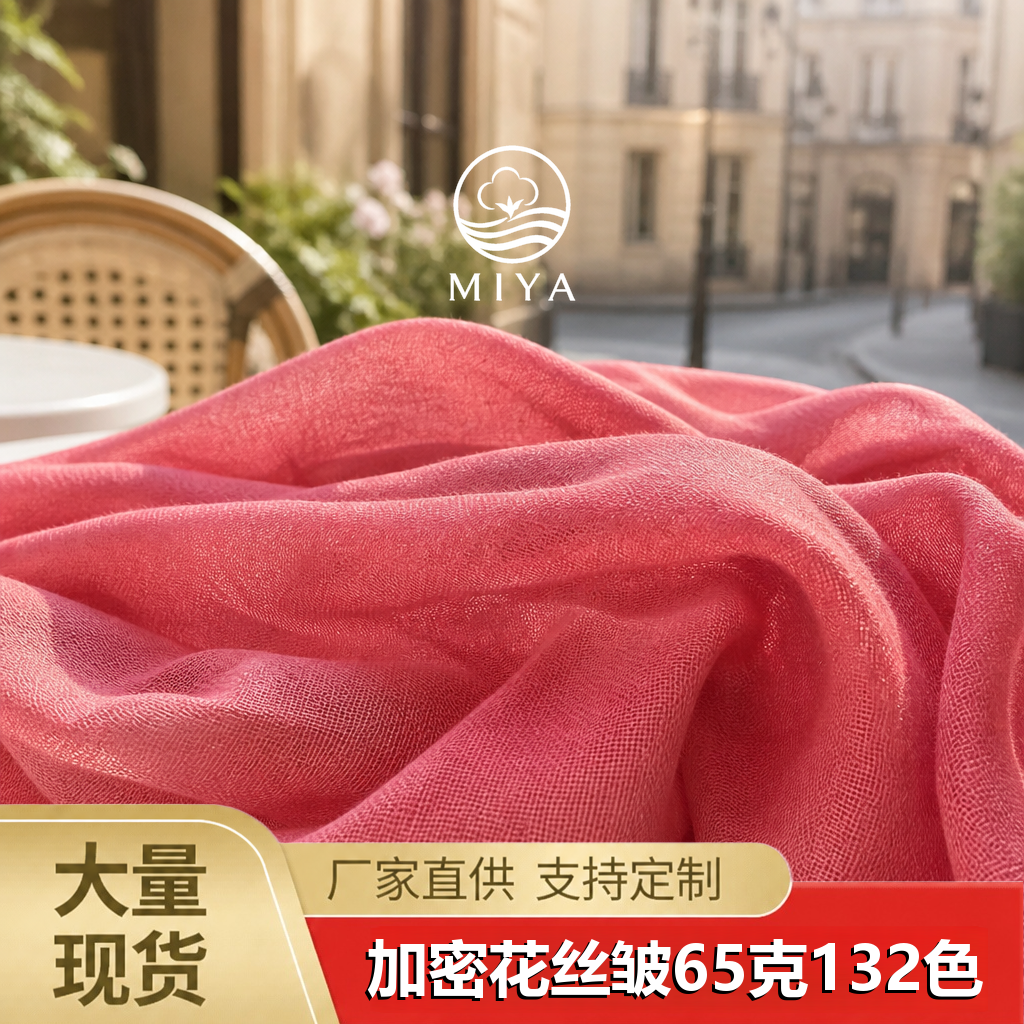
Textured Crinkle Fabric, code 805#, composition 80%polyester, 20%cotton, width 150cm, weight 65g.
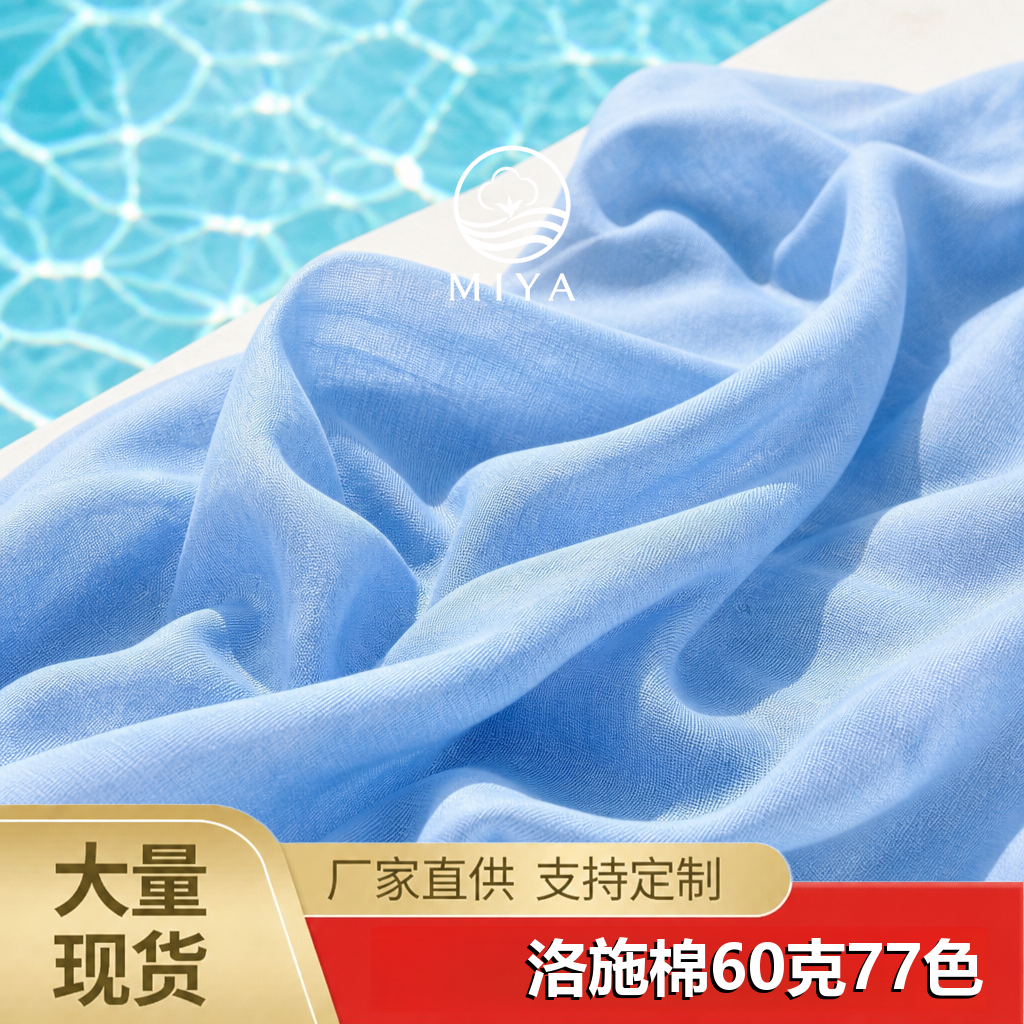
Luoshi Cotton-Feel Bead Yarn, code 806#, composition 68%rayon, 32%nylon, width 150cm, weight 60g.
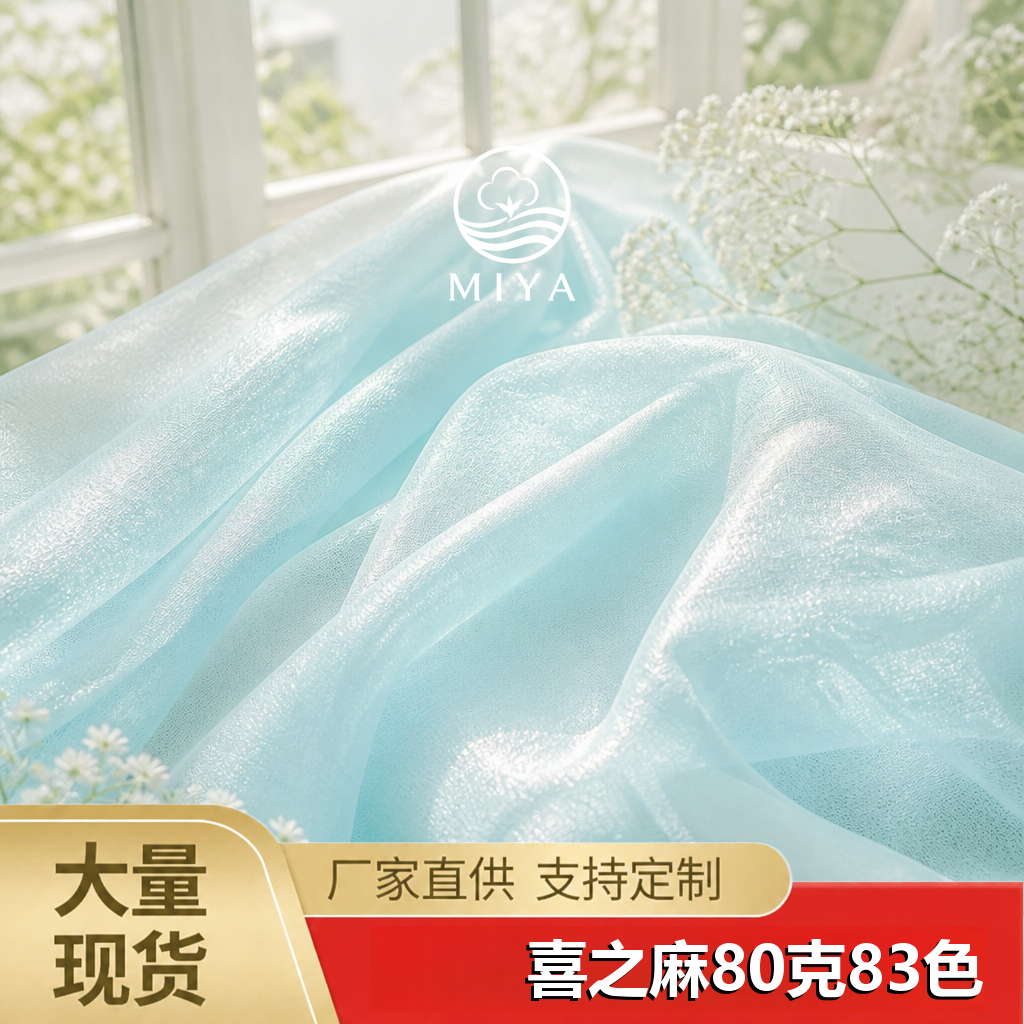
Xizhima Single-Filament Horizontal Stripe, code 807#, composition 85%rayon, 15%nylon, width 150cm, weight 80g.
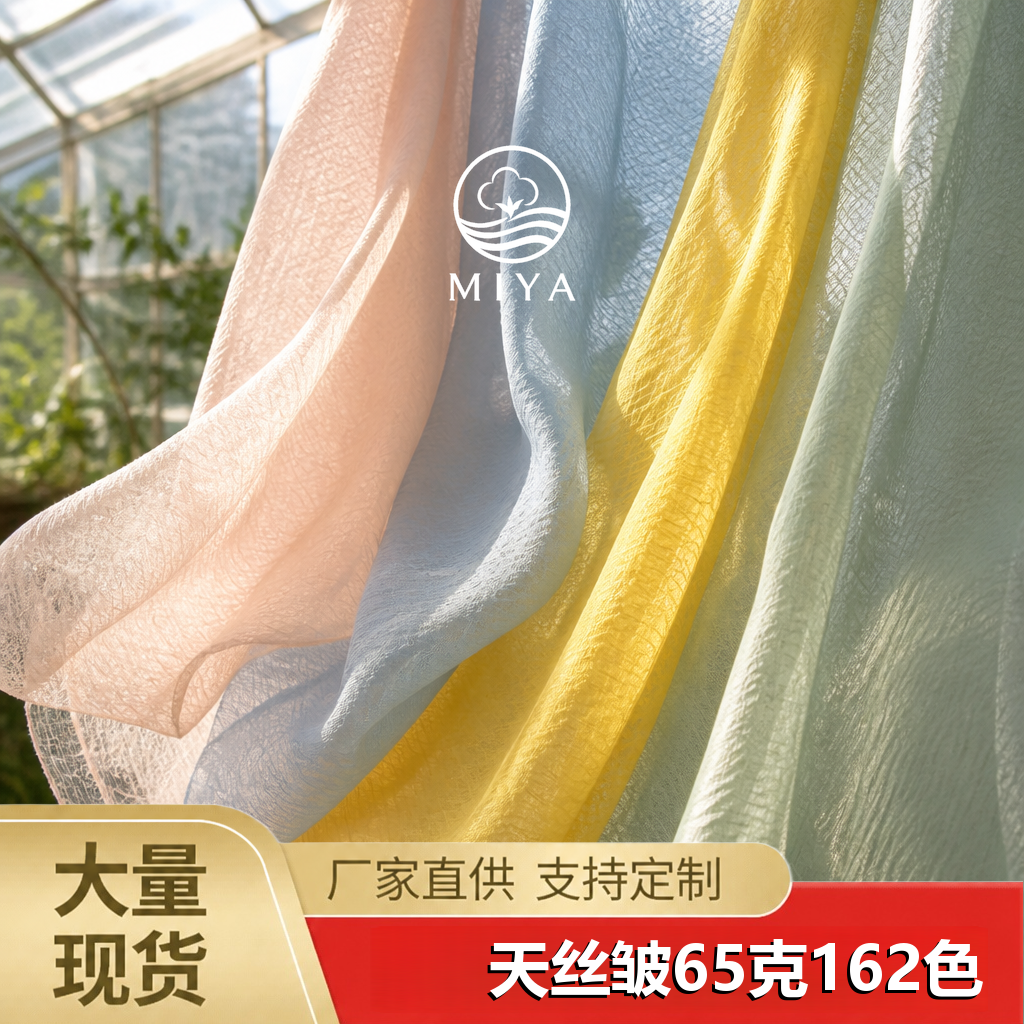
Tencel Soft Crinkle, code 808#, composition 65%Tencel, 35%nylon, width 150cm, weight 65g.
When I help customers choose suiting fabrics, I never start with fiber content alone. I look at end use, weight, width, and bulk stability first, because those are the things that decide whether the fabric will actually work in production.
One of the questions I hear most often is what imitation Tencel fabric is actually good for. My answer is simple: if the goal is lightness, softness, and drape, it belongs on the shortlist.
When I choose fabric for summer dresses, I care most about three things: lightness, drape, and how the garment moves. That is exactly why imitation Tencel gets recommended so often.
When I recommend shirt fabrics, I try to avoid two extremes: chasing expensive fabric just for the name, or pushing price down so hard that the shirt loses all quality. The best-selling option is usually the one that balances hand feel, drape, and budget at the same time.
When I help customers choose trouser fabrics, I often compare imitation Tencel with rayon, because they sit in a similar price zone but can behave very differently once made into garments.
When I look at fabric for modern Chinese womenswear, I try to avoid two extremes: fabric that is too stiff and loses the softness of the style, and fabric that is too limp and loses the silhouette. Imitation Tencel often lands in a very workable middle zone.
Yes. Checking swatches first is the safest way to start. Confirm the color first, then move on to sample yardage, garment sampling, and bulk orders.
Yes. We update fabric content, weight, available colors, and recommended uses when supply changes. If you are preparing for production, it is always best to confirm again before placing the order.
Yes. Send us a photo, a garment sample, a fabric swatch, or even just the style you want to make, and we can help you source in the right direction.
Yes. We can help with zippers, buttons, lining, elastic, tapes, lace, interlining, and other trims, so you do not have to piece everything together by yourself.
Yes, we can help you find something close. To be honest, a photo alone usually cannot guarantee a perfect match, but we can help you find options with a similar look, hand feel, and drape.
Yes, and that is actually easier than working from a photo. If you send us the swatch, we can narrow it down by fiber content, weight, texture, and color.